Electronic Shelf Labels: A Practical Guide for Modern Retail Deployment
· admin
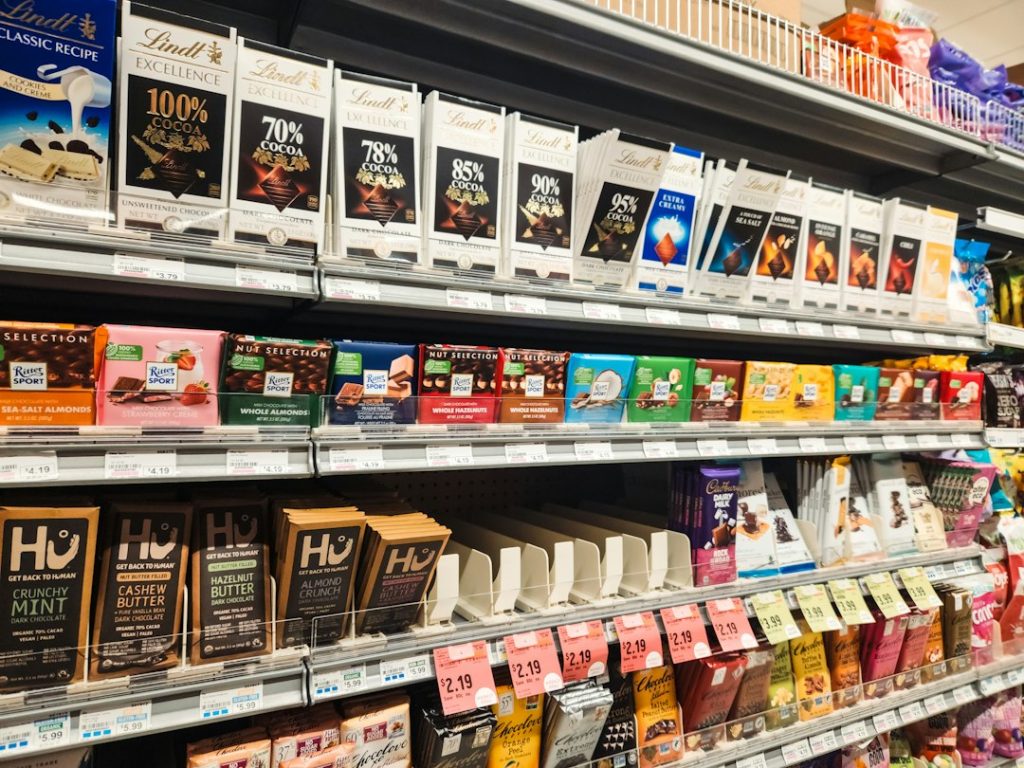
Electronic shelf labels can reduce manual price changes, improve pricing accuracy and give retail teams a flexible display at the shelf edge. The display itself, however, is only one component. A reliable ESL deployment also depends on product data, wireless coverage, mounting, store procedures and ongoing monitoring.
This guide focuses on the decisions that make the difference between a successful rollout and a collection of disconnected displays.
Define the business case first
Retailers often begin with the goal of replacing paper price tickets. That is useful, but the business case should be measurable. Record how many price changes each store completes, how long they take, how often shelf and checkout prices disagree, and which promotions create the most manual work.
ESLs can also support stock indicators, pick-to-light cues, QR codes, product origin, promotion timing and multilingual information. These functions should be prioritized rather than enabled simply because they are available.
Understand the basic ESL architecture
A typical system includes electronic labels, one or more access points, management software and an integration with the retailer’s source of product and price data. The management platform assigns a label to a product, builds the display template and sends updates through the wireless infrastructure.
The ZKONG Electronic Shelf Label System provides a platform for centrally managing labels and display updates across retail environments.
Clean product data before installation
An ESL system displays what it receives. Duplicate product codes, inconsistent units, missing promotion dates and unstructured descriptions quickly become visible at the shelf. Before the pilot, identify the authoritative data source and define which system owns price, product description, unit price and promotion status.
Each label should be associated with a stable product identifier. GS1 identifiers and barcodes can provide a consistent bridge between merchandise, checkout and shelf processes. The GS1 barcode standards are a useful reference when defining product identification.
Select label sizes by shelf task
One label size rarely fits every department. Small displays may work for conventional shelf pricing, while larger formats are useful when the template needs unit pricing, promotion details or additional product information. Freezers, fresh-food areas and warehouse-style retail may require different housings and mounting accessories.
Evaluate these factors:
- Viewing distance and required font size
- Number of information fields
- Black, white and accent-color requirements
- Temperature and humidity
- Shelf rail, peg hook or custom fixture mounting
- Impact risk and cleaning procedures
Survey wireless coverage in the real store
Floor plans provide a starting point, but they do not reveal every source of attenuation. Metal shelving, refrigerators, stock density and walls influence radio performance. Access points should be positioned after a site survey, and coverage should be confirmed with labels installed in representative locations.
The test should include distant aisles, lower shelves, refrigerated sections and areas that change as stock moves. A stable deployment is designed for the store at its busiest, not only for an empty installation day.
Build templates for readability
Electronic paper is highly readable, but a crowded layout can still fail. The selling price must remain visually dominant. Product name, unit price, promotion period and barcode or QR code should have defined priorities. Avoid reducing essential text merely to fit every available field.
Create a small template family for standard price, promotion, member price and operational tasks. Too many template variants make support and governance difficult.
Design the update and exception workflow
Teams need to know when a price update was sent, when the label acknowledged it and what happens if a label remains offline. Dashboards and alerts should distinguish temporary communication delays from failed assignments or depleted batteries.
A practical exception process identifies the affected store, aisle, product and label. Store employees should be able to verify the current price and replace or rebind a label without rebuilding the entire configuration.
Run a controlled pilot
A pilot should represent operational reality. Select an area with frequent price changes, several label sizes and realistic wireless conditions. Measure installation time, update success rate, price accuracy, staff effort and customer readability.
A useful pilot sequence is:
- Prepare and validate product data.
- Install access points and confirm coverage.
- Mount and bind a limited set of labels.
- Run scheduled and urgent price changes.
- Test failed updates and label replacement.
- Review results with store operations and IT.
Plan for lifecycle costs
Battery life depends on label type, update frequency, temperature and radio conditions. The cost model should include mounting accessories, spare labels, batteries or replacement policy, access points, software, integration and support. A lower label price does not compensate for weak management tools or poor coverage.
Security and governance
Define who can change templates, prices and device assignments. Integrations should use controlled credentials and maintain logs of updates. Store users need enough access to solve operational issues without being able to change centrally governed pricing rules.
Conclusion
A successful ESL project combines reliable hardware with accurate product data and disciplined store processes. Begin with a measurable pilot, validate wireless coverage, keep templates simple and build exception handling before a large rollout. LENASYS can support ESL planning, device selection and deployment design for retail operations. Visit our industry solutions or contact us to discuss your store environment.
Leave a Reply