Electronic Shelf Labels in 2026: From Price Updates to Connected Store Operations
· admin
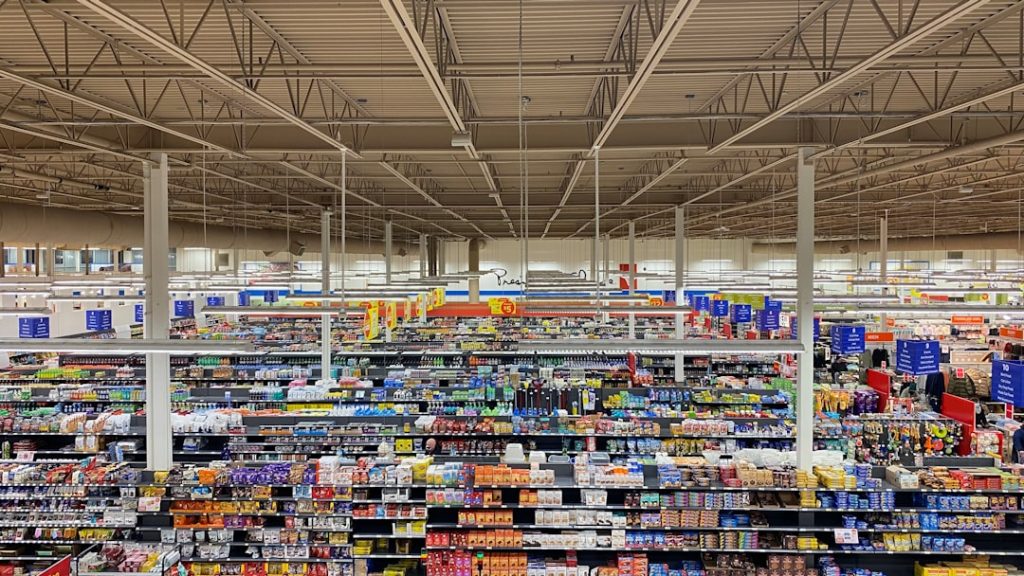
Electronic shelf labels are moving from a narrow price-display tool to an operational interface at the shelf edge. In 2026, retailers are evaluating ESL projects not only by how quickly prices can be changed, but also by how well the system connects store data, staff workflows and customer communication.
The strongest business case starts with price accuracy, yet the long-term value usually comes from reducing repeated manual work. When product data, promotions and shelf information are synchronized from a central platform, store teams spend less time replacing paper labels and more time on availability, service and execution.
What a modern ESL system includes
A complete ESL deployment normally has four layers: low-power e-paper labels, one or more access points, a management platform and an integration path to the retailer’s POS, ERP or product-information system. The label is only the visible endpoint. Reliability depends on how these layers exchange identifiers, templates, prices and update confirmations.
The integration should use a stable product key such as an internal item code or GTIN. Each label must also be bound to the correct shelf location and product. Without disciplined mapping, even a technically successful update can put the right price on the wrong shelf.
Beyond dynamic pricing
Electronic shelf labels can support more than scheduled price changes. Flashing indicators or visual status fields can guide staff during order picking, replenishment and stock checks. Promotional templates can be activated centrally, while QR codes can connect customers to product details, availability or digital services.
For click-and-collect operations, shelf-edge guidance can reduce the time needed to locate items. For replenishment, a label can present pack quantity, location data or task status. In stores with frequent assortment changes, centralized templates also improve consistency between branches.
Why interoperability matters
The Bluetooth SIG’s Electronic Shelf Label Profile defines how a client can control and update ESL devices using Bluetooth Low Energy. Standardization does not automatically make every vendor platform interchangeable, but it is an important direction for reducing proprietary fragmentation and improving the ecosystem around access points, labels and management software.
When comparing systems, retailers should ask whether the radio protocol, API and data model are documented; whether the platform can operate locally or requires continuous cloud access; and what happens when the store loses its internet connection. A label should retain its last valid image, while queued changes and recovery procedures should be clearly defined.
Key selection criteria
Display size and color should match the information density required at the shelf. Battery-life claims must be evaluated against the expected refresh frequency, operating temperature and LED usage. Coverage should be validated in the actual store because metal shelving, refrigerators, walls and radio congestion can affect communication.
Security also deserves attention. Device authentication, encrypted communication, role-based access and audit logs are essential when thousands of shelf endpoints can be updated centrally. Operational teams should also confirm how failed updates are reported and how a misplaced or damaged label is replaced without losing product mapping.
Start with a measurable pilot
A pilot should include a representative aisle rather than only a clean demonstration area. Measure update success rate, average update time, staff labor saved, picking accuracy and the number of price discrepancies. Test normal changes, mass promotions, network interruption and label replacement.
The best ESL project is not the one with the most features. It is the one that connects cleanly to existing data, remains manageable for store staff and produces measurable operational improvement.
How LENASYS can help
LENASYS can help define the label mix, access-point coverage, integration method and pilot acceptance criteria for a practical ESL rollout. Contact our team to discuss a store or multi-branch deployment.
Further reading: Bluetooth SIG Electronic Shelf Label Profile 1.0 and Benefits of the Bluetooth ESL standard.
Leave a Reply